
The insole is the heart
of the shoe. This is what
goes inside it.
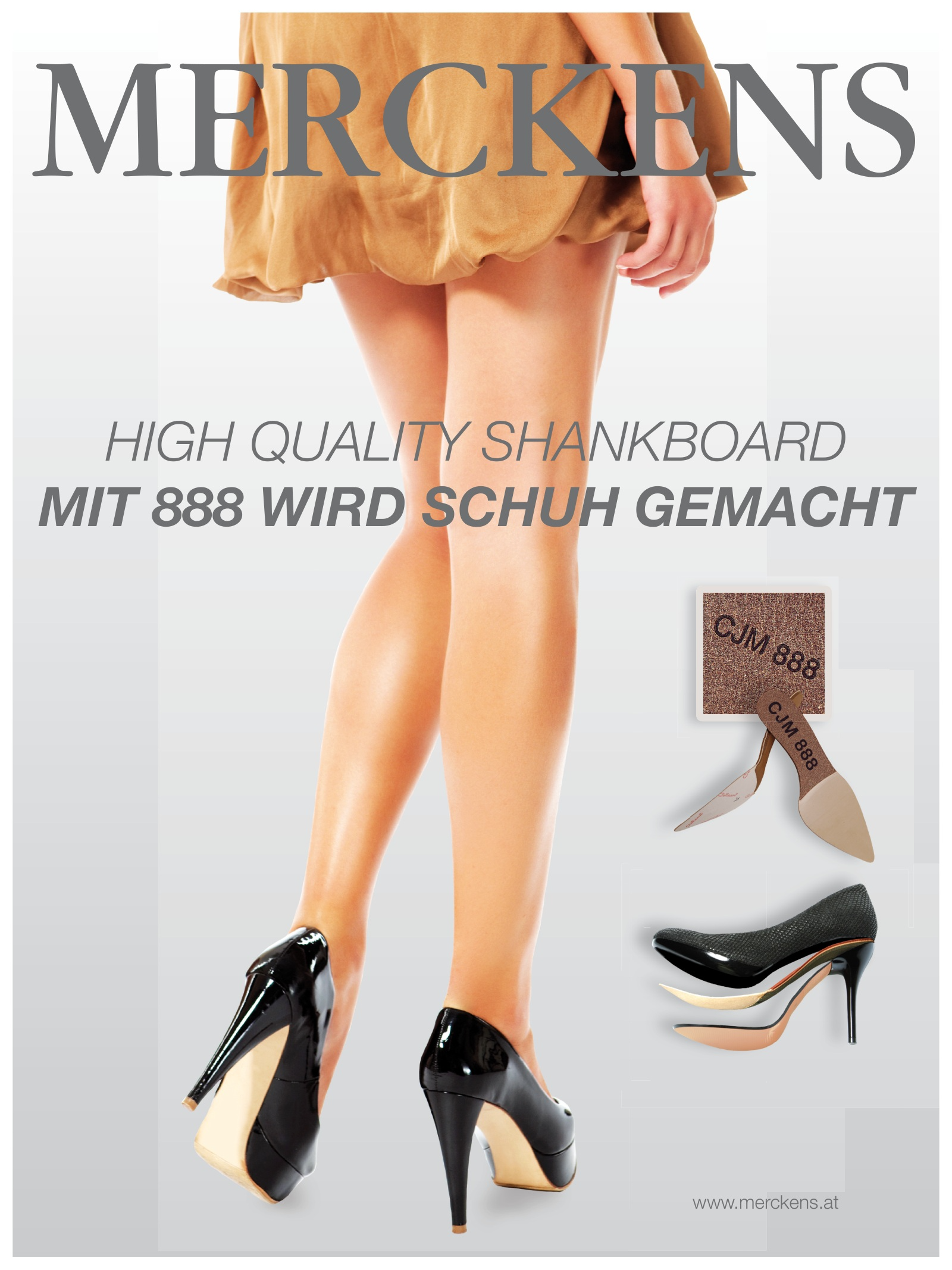
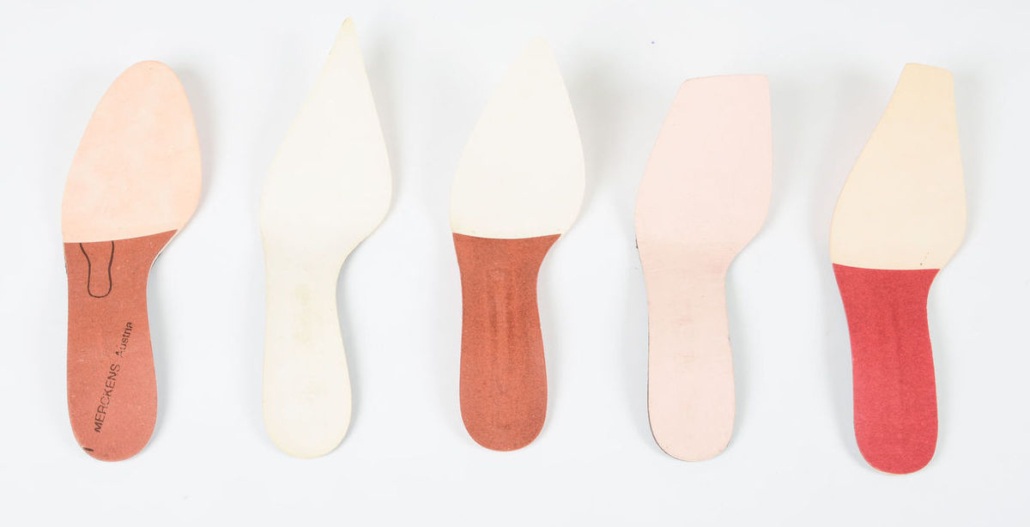
Merckens has been manufacturing shankboard in Upper Austria since 1888. Six grades — CJM 888, CJM 188, CJM 158 Fibra, CJM 120 plus the Smaragd and Coral specials — for every insole application from flat men’s footwear to high-heel women’s fashion. Electronically controlled production. Daily laboratory testing.
Founded · same factory, same river
From flat men’s to premium high-heel
Blue Angel · FSC® · Climate Alliance
The structural
core of the shoe.
The insole is the structural core of a shoe. It determines shape retention, comfort, longevity, and how the shoe behaves across thousands of steps and every weather condition it meets. The material it is made of is not incidental — it is fundamental.
Shankboard must satisfy a set of performance requirements that most structural materials cannot deliver simultaneously: nail and pin holding, bending stiffness, hardness, shape retention under load, controlled flexibility, clean machinability on industrial cutting equipment, and water repellency.
Getting all of these right, in a material made from recycled paper, is what Merckens has been doing since 1888.

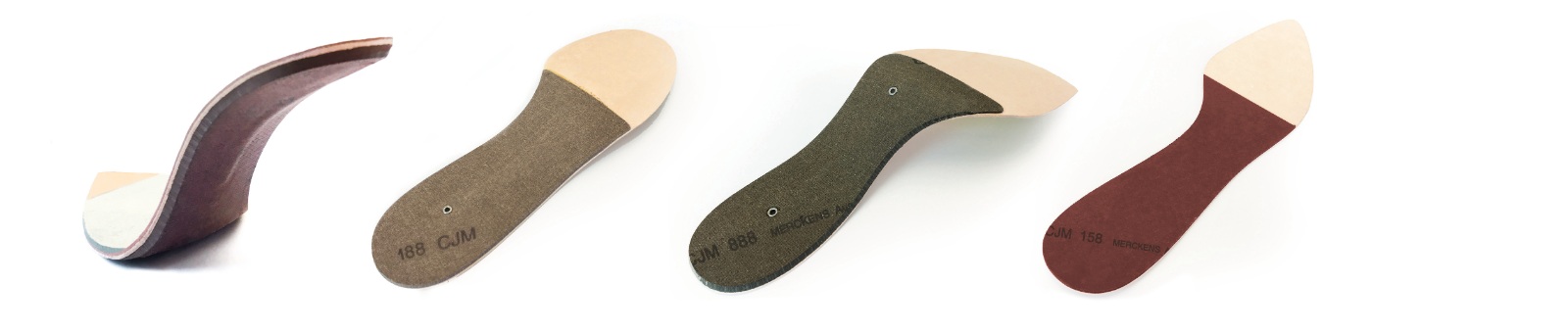
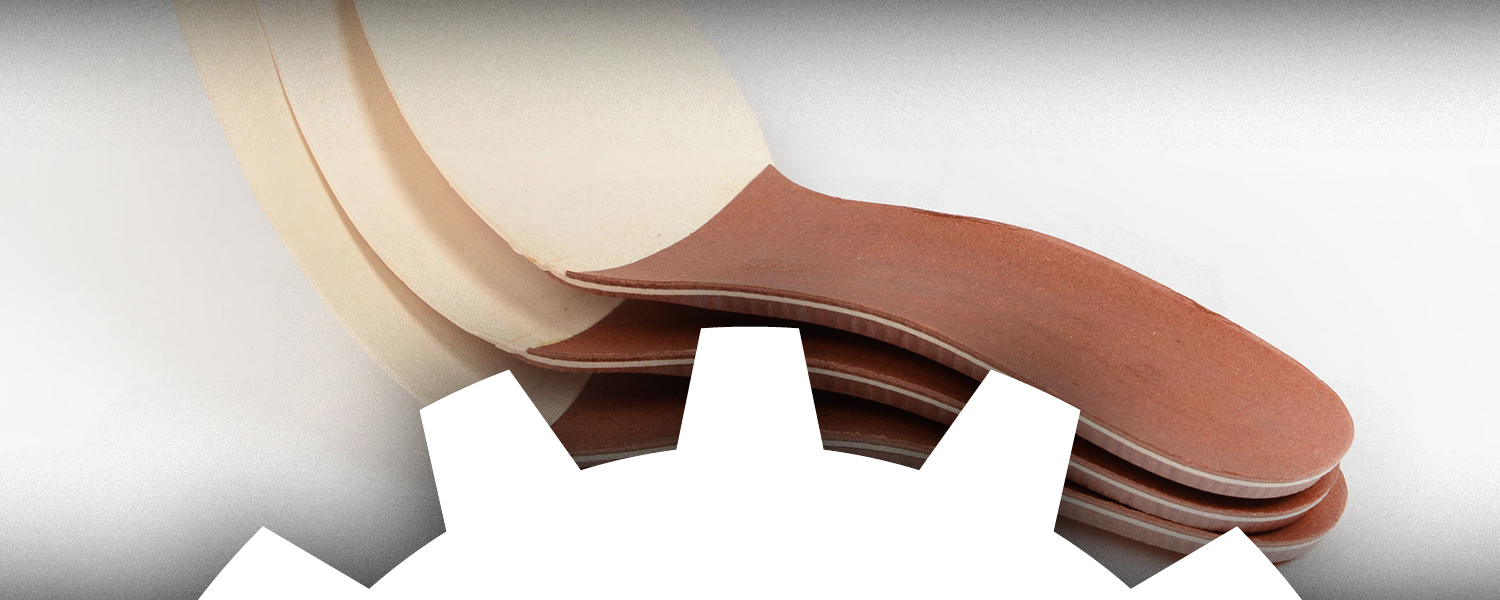
Layers and insoles — what the board becomes. Every batch runs under continuous electronic process control and is tested daily in the in-house laboratory.
Four CJM grades.
One for every shoe.
CJM 888Dark brown · the benchmark
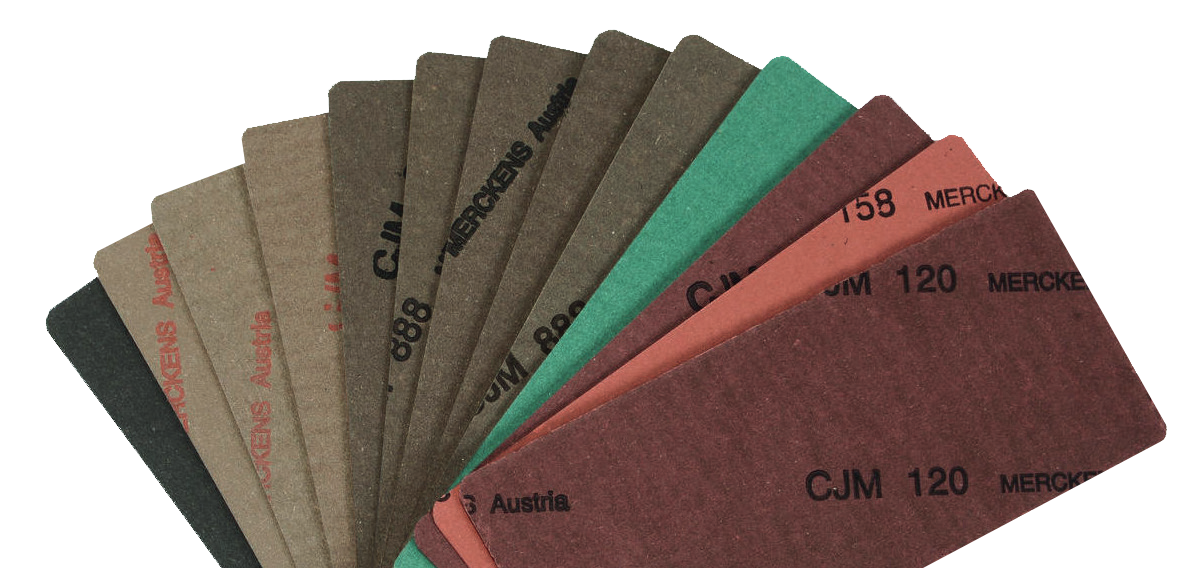
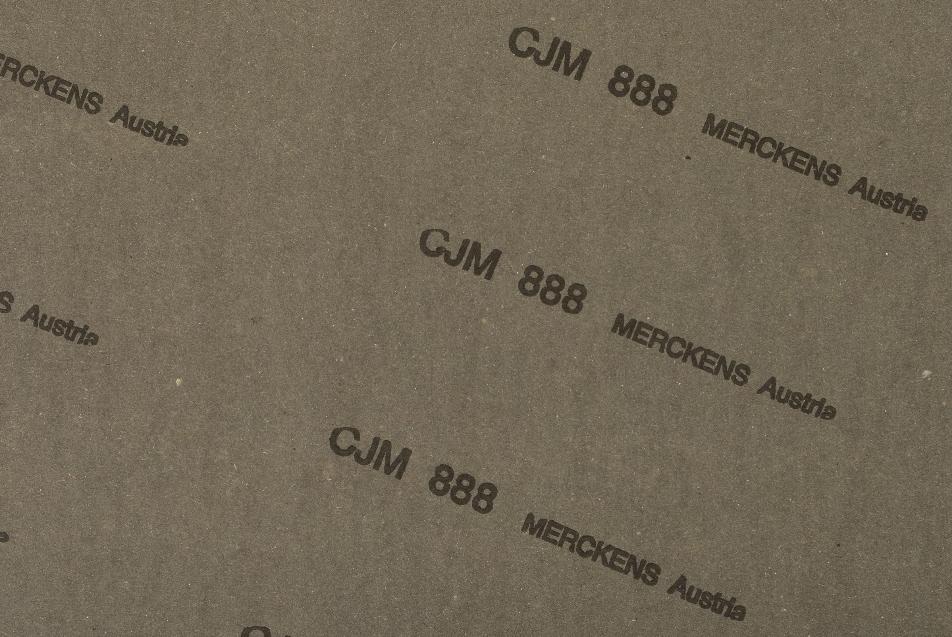
High-quality women’s and men’s shoes — flat and high heel. 0.90–3.80 mm, 900–4000 g/m². Printed “CJM 888 MERCKENS Austria” in black, or unprinted. FSC certified.
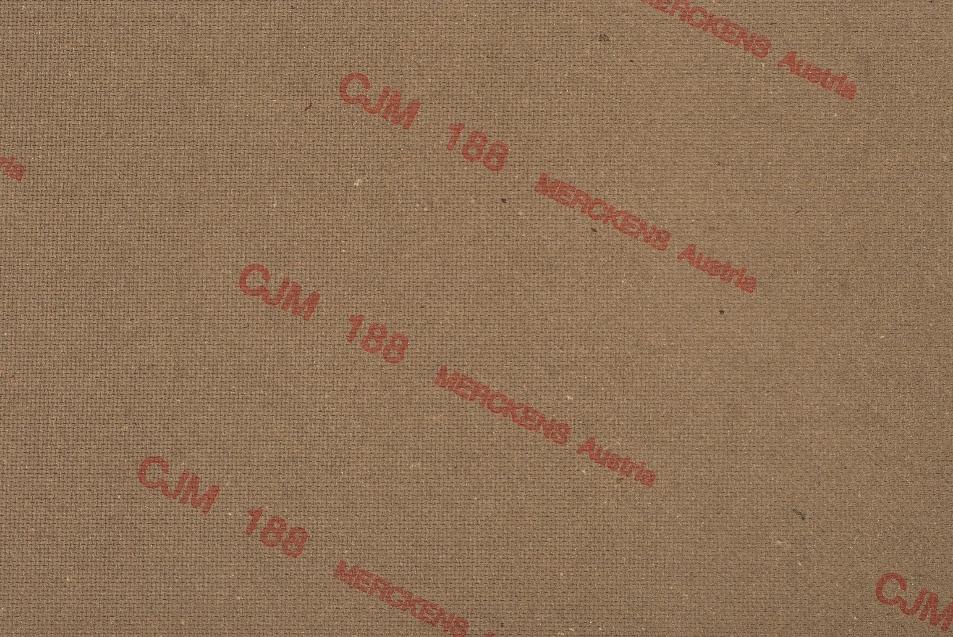
CJM 188Light brown · the economical grade
Flat insoles, mainly men’s shoes. Less stiff than CJM 888 and the most economical in the range. 0.90–4.00 mm, 900–4000 g/m². Printed in red, or unprinted. FSC certified.
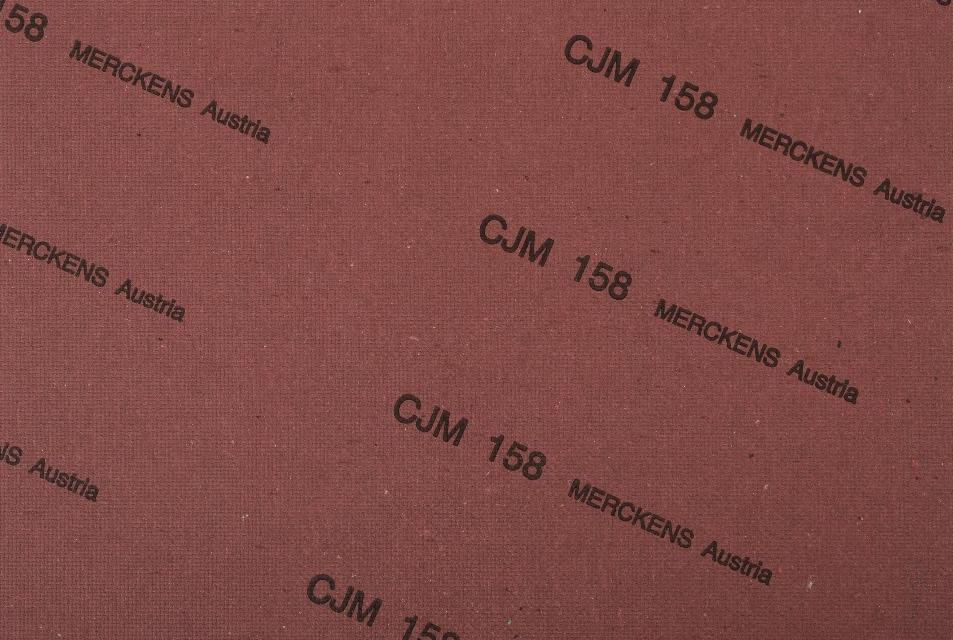
CJM 158 FibraRust / bordeaux · longer fibres
Sandwich insoles and special requirements. Longer, stronger fibres — stiffer than CJM 888. 0.90–3.80 mm, 900–4000 g/m². Printed in black, or unprinted. FSC certified.
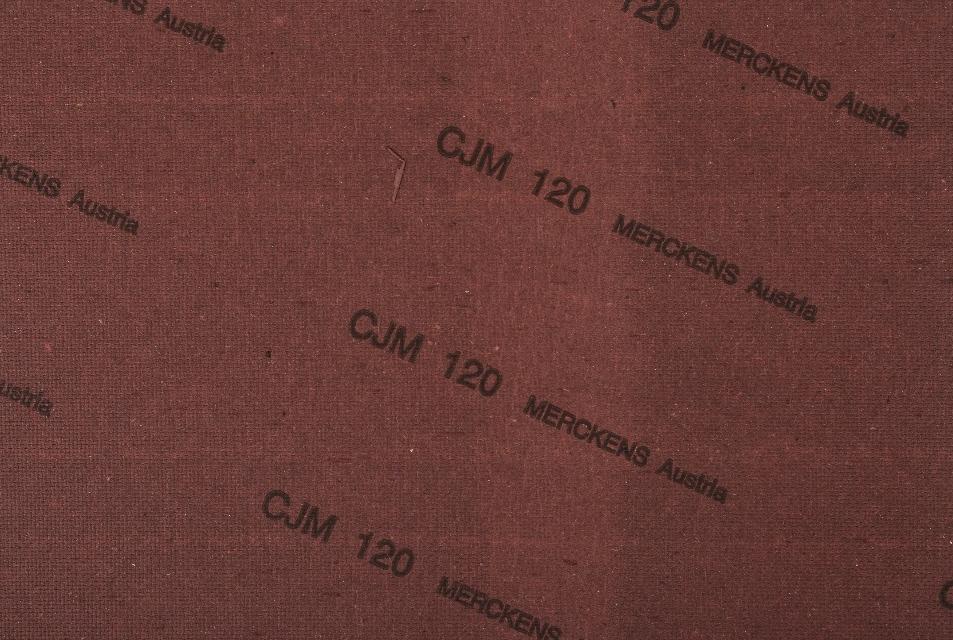
CJM 120Bordeaux · extra stiff
Women’s high-heeled shoes from 7 cm. Excellent heel-pin holding strength, stiffness and permanent-set value. 2.50–3.00 mm, 2875–3450 g/m². Printed in black, or unprinted.
Two specials,
when CJM isn’t enough.
Merckens runs two grades outside the CJM family — one for extreme stiffness, one to replace vulcanised fibre in sandwich insoles.

SMARAGD
Green · 3.0 mm. Top quality for extreme requirements — excellent stiffness and hardness. Printed “MERCKENS Austria” or unprinted. Standard format 155 × 104 cm SG, 78 × 104 cm LG.
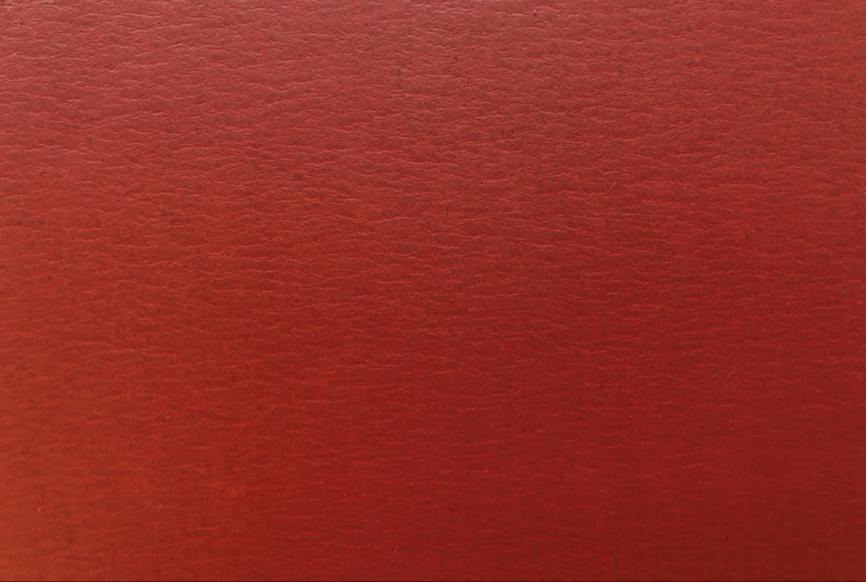
CORAL
Red · 1.25 mm · varnished both sides. For sandwich insoles — good pin-holding strength, longer and stronger fibres, the same stiffness as vulcanised fibre. Supplied unprinted.
Match the grade
to the shoe.
| High-quality women’s shoes, flat and high heel | CJM 888 |
| High-quality men’s dress shoes | CJM 888 |
| Flat insoles, mainly men’s — volume production | CJM 188 |
| Sandwich insoles — stiffer than CJM 888 | CJM 158 Fibra |
| Women’s high heels from 7 cm · extra stiff | CJM 120 |
| Extreme stiffness and hardness | SMARAGD |
| Vulcanised-fibre replacement — varnished, 1.25 mm | CORAL |
| Pattern & template manufacture (1.2–1.8 mm) | Patternboard |
| Heel counters — boots & high-heel shoes | Counterboard |
| Not sure | Send us your footwear spec — we’ll match the grade. |
Elegant design.
Durable quality.
Merckens board is specified for high-heeled women’s shoes above all — but it is just as essential in flat models, men’s dress shoes and safety footwear.
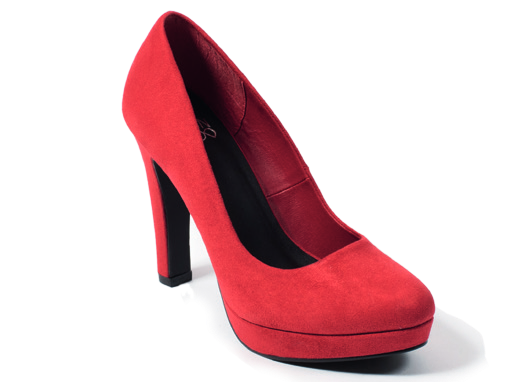
from 7 cm
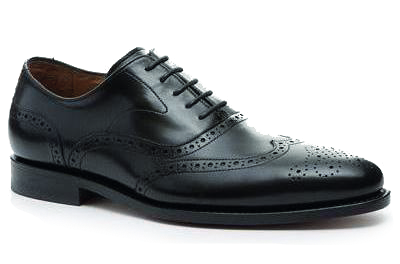
construction
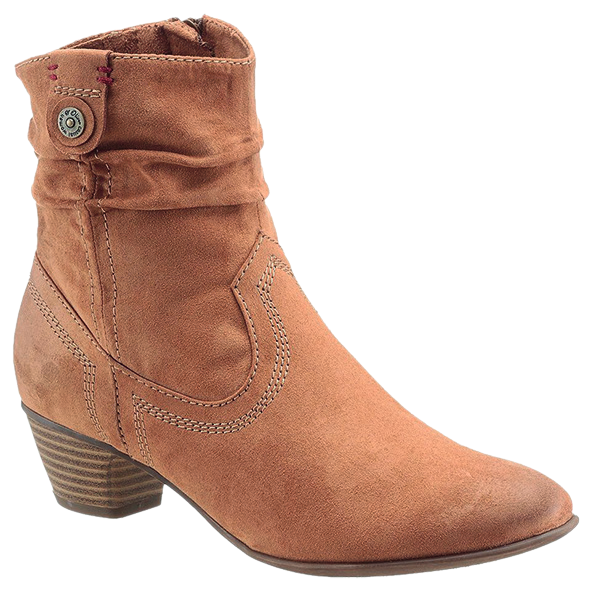
counters & insole
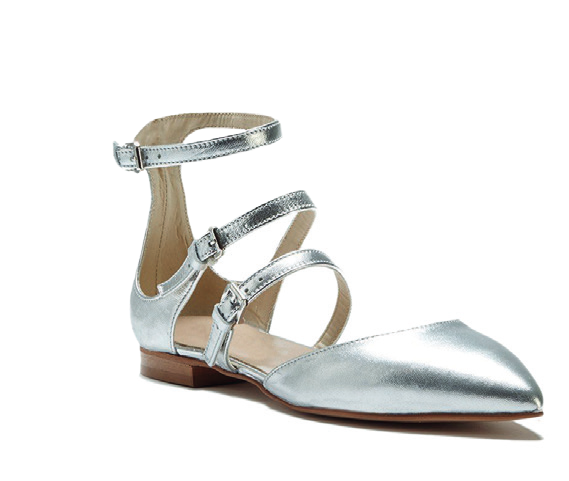
models
Pattern &
counter boards.
Two adjacent specifications, made on the same Merckens lines.
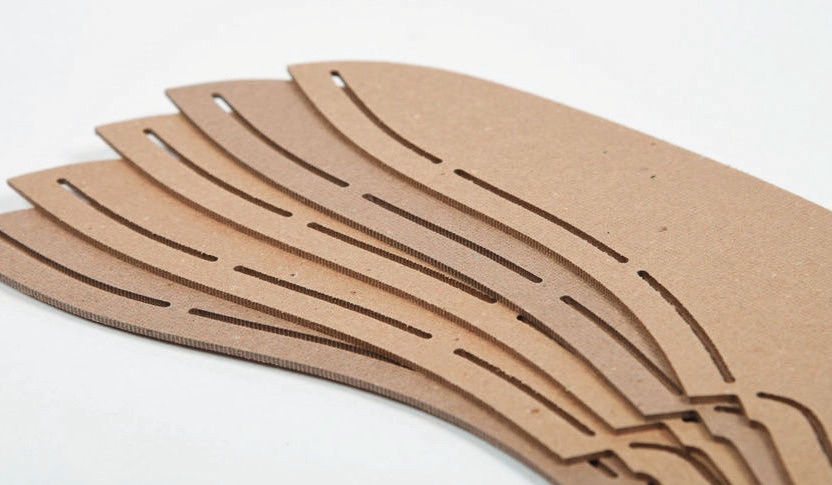
Patternboard
1.2–1.8 mm. For cutting patterns and templates — dimensionally stable, clean-cutting, consistent sheet to sheet.
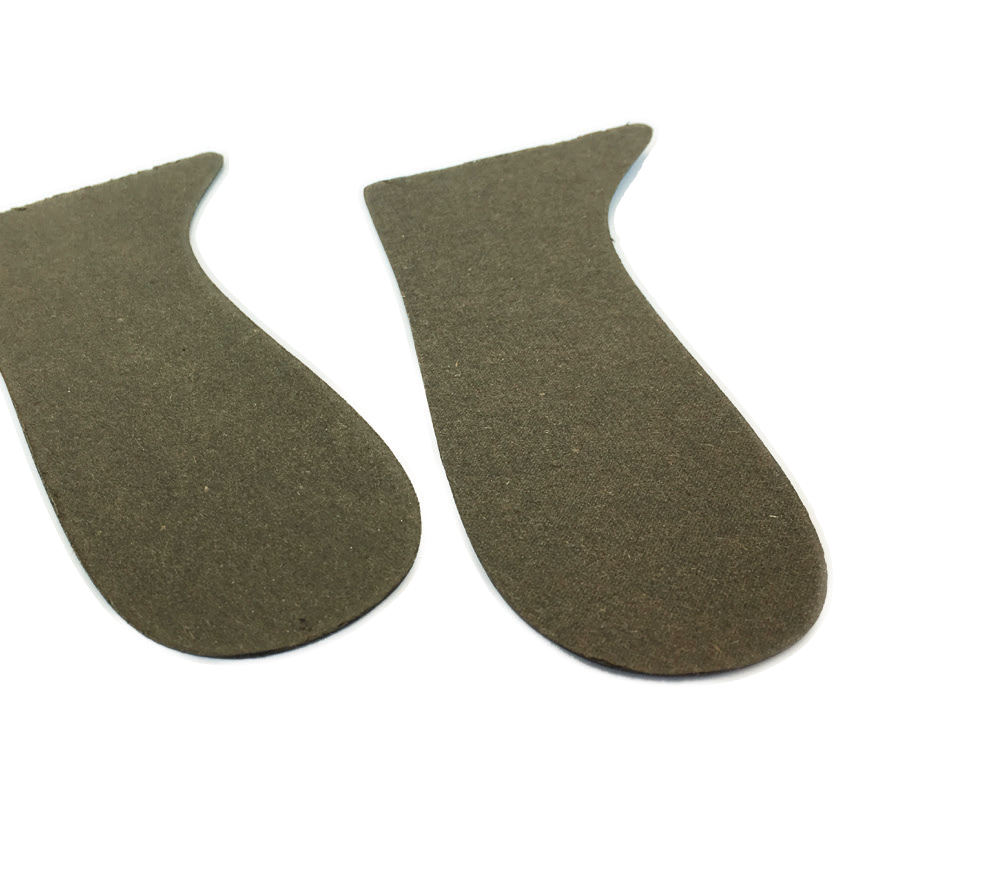
Counterboard
High-rigidity counters for boots and high-heeled shoes — they strengthen the heel and hold its shape under lateral force.
Since 1888.
Austrian making.
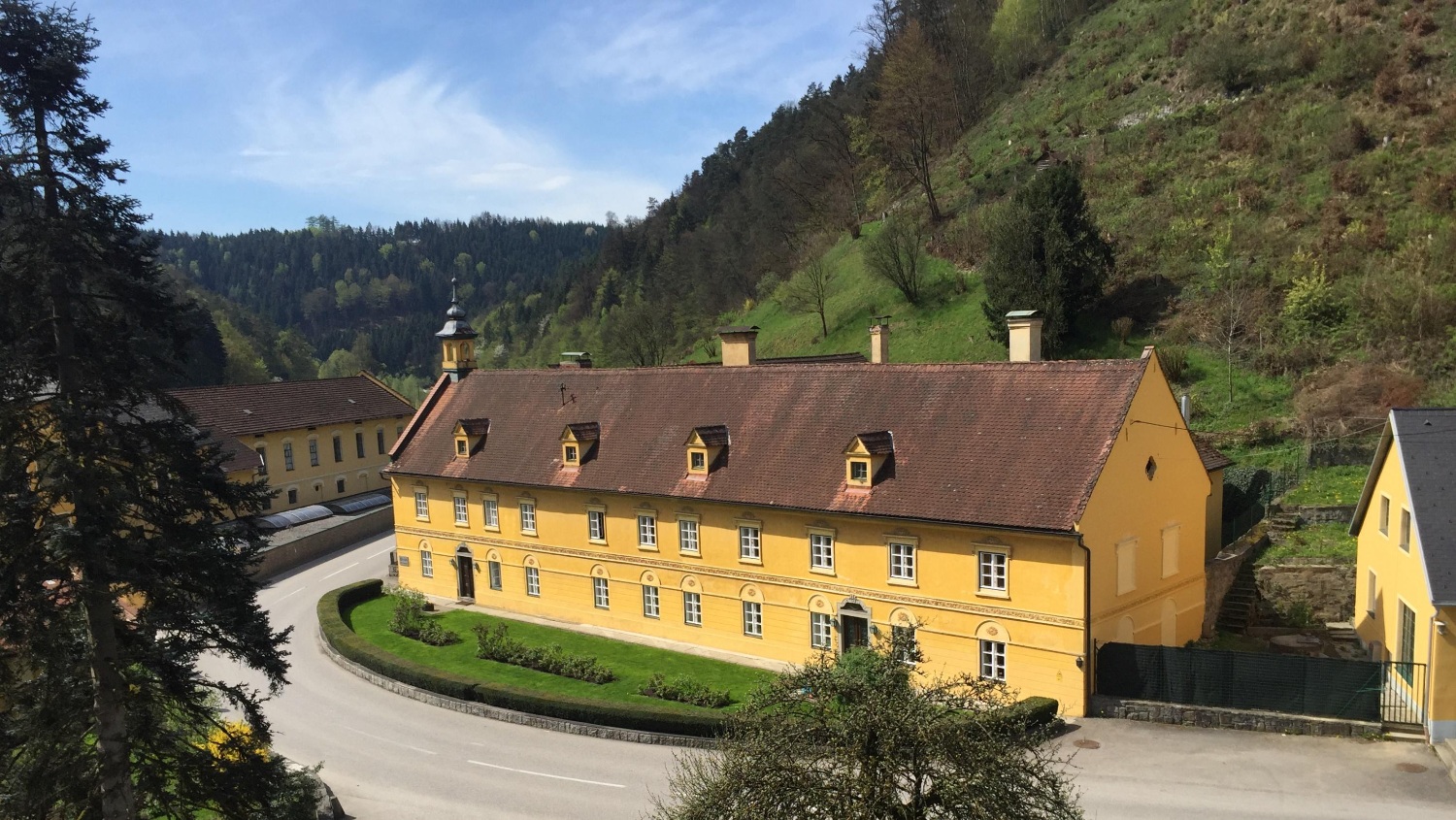
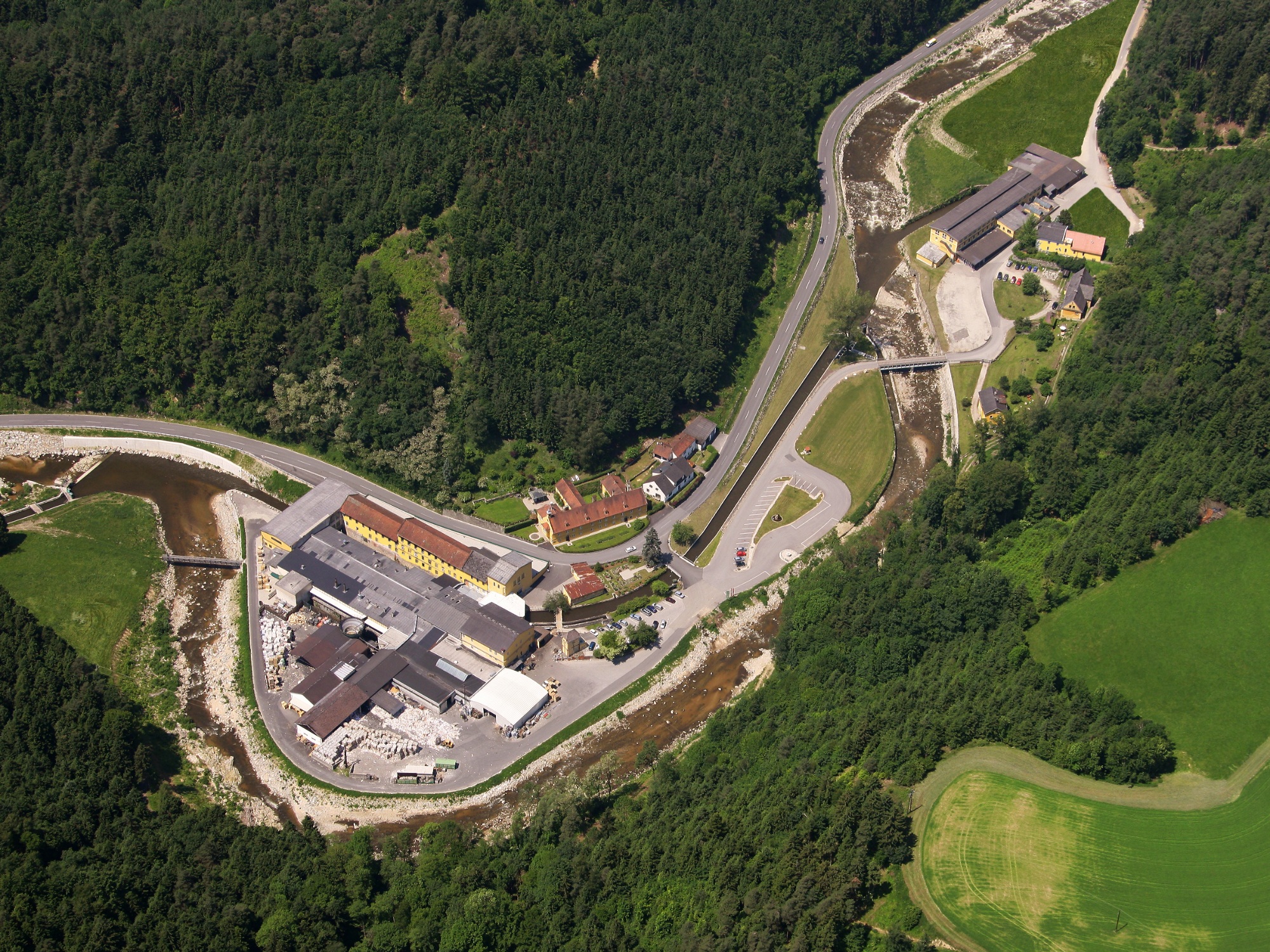
Merckens was founded in Schwertberg, Upper Austria, in 1888. Not as a startup, not as a division — as a dedicated paperboard mill, in the same location, doing the same thing for 138 years.
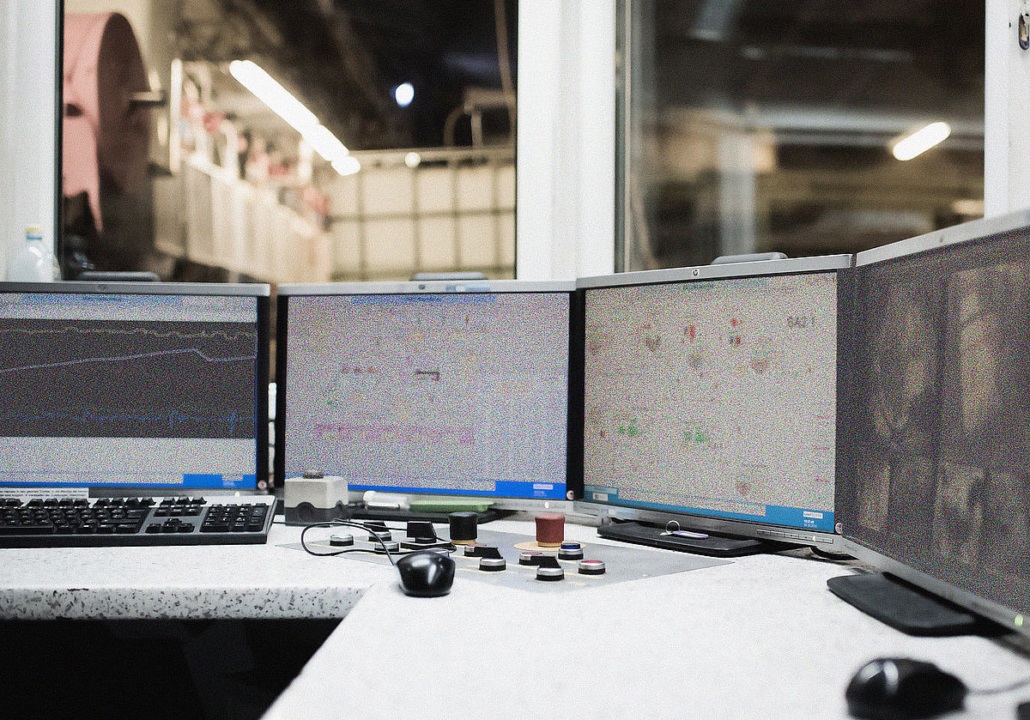
That longevity is not accidental. Merckens has survived because it has invested continuously in process technology — today, shankboard production is monitored by a computerised electronic control system, with quality tested in an in-house laboratory every single day.
The brands that specify Merckens CJM 888 do so because when a shipment arrives, it performs the same as the last one. That reliability, over 138 years, is the Merckens proposition.

Family-owned · Schwertberg, Upper Austria · about 75 people
Board produced per year on two board machines · 100% waste paper
Of production exported · five shift patterns
A factory that runs
on its own river.
Most paperboard mills are energy-intensive and water-intensive. Merckens addressed both — not as a marketing exercise, but as a structural decision that has defined how the factory operates for decades.
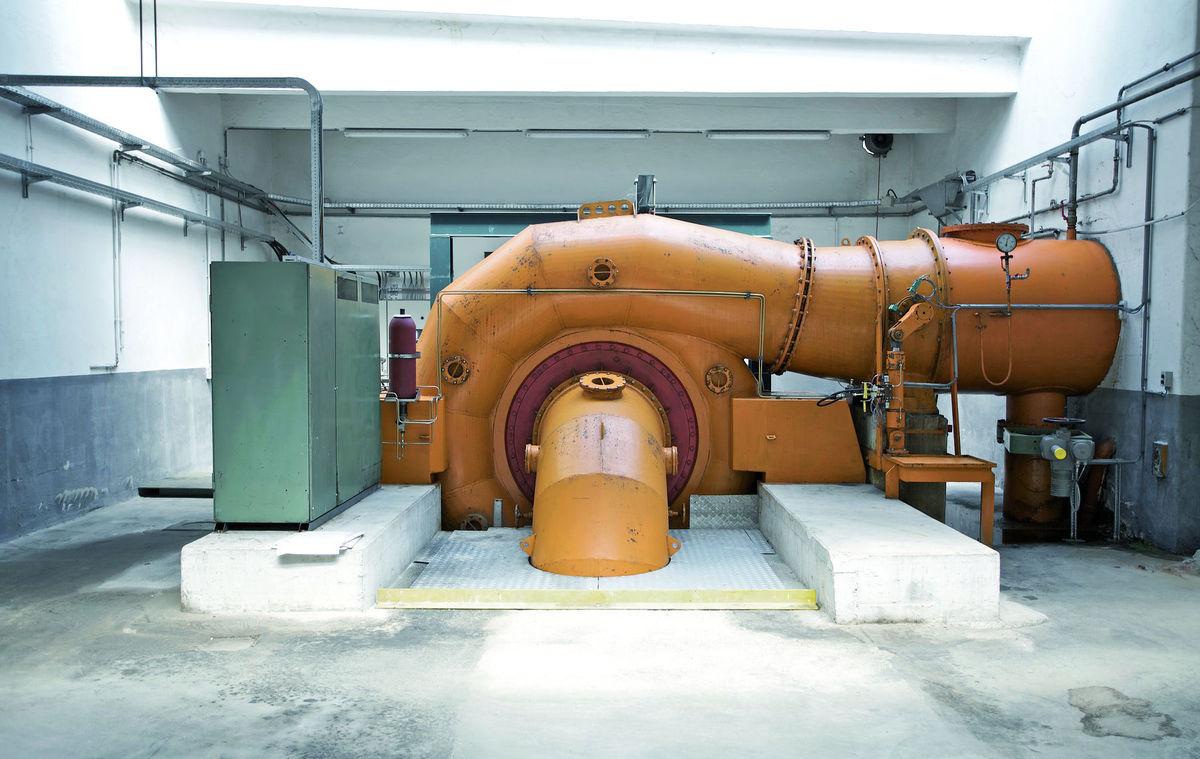
Own hydroelectric power.
Three in-house hydroelectric plants on the Aist river. The factory’s electricity is renewable by default — not purchased offsets, not green certificates, but water flowing through their own turbines.
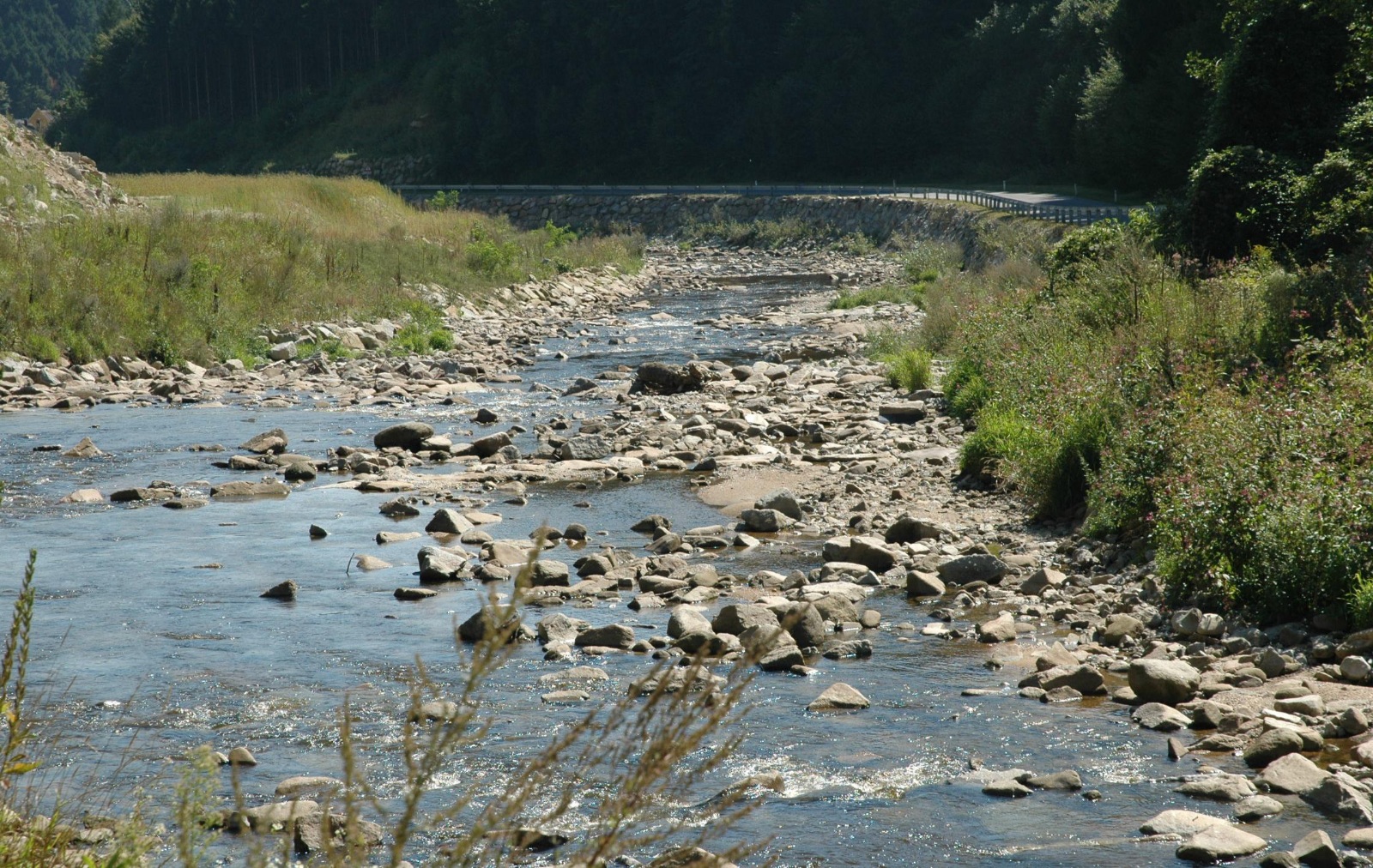
Zero water discharge.
A fully closed water system. Water is recycled within the plant — nothing is discharged into watercourses. The Aist runs past the factory as clean as it arrives.
100% waste-paper raw material.
Every sheet starts as recovered waste paper, predominantly sourced from Austria. Short supply routes, minimal transport emissions.
Zero waste from production.
Rejected material from waste-paper processing goes directly to the thermal plant. Nothing leaves the facility as landfill.
4,817 t CO₂ saved a year.
Calculated on the European calculator against the five-year average of their own hydro generation — the equivalent of the annual consumption of 225 four-person households in Italy. A Climate Alliance company.
100% recyclable product.
Shankboard can be fully recycled at end of product life — for a material made of recovered paper, the natural conclusion of the cycle.
Tested every day,
not every batch.
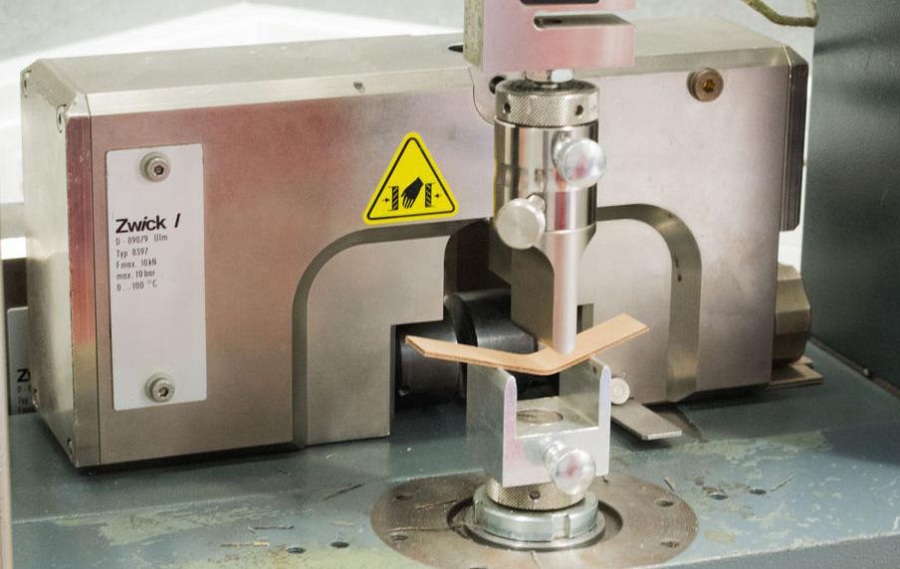
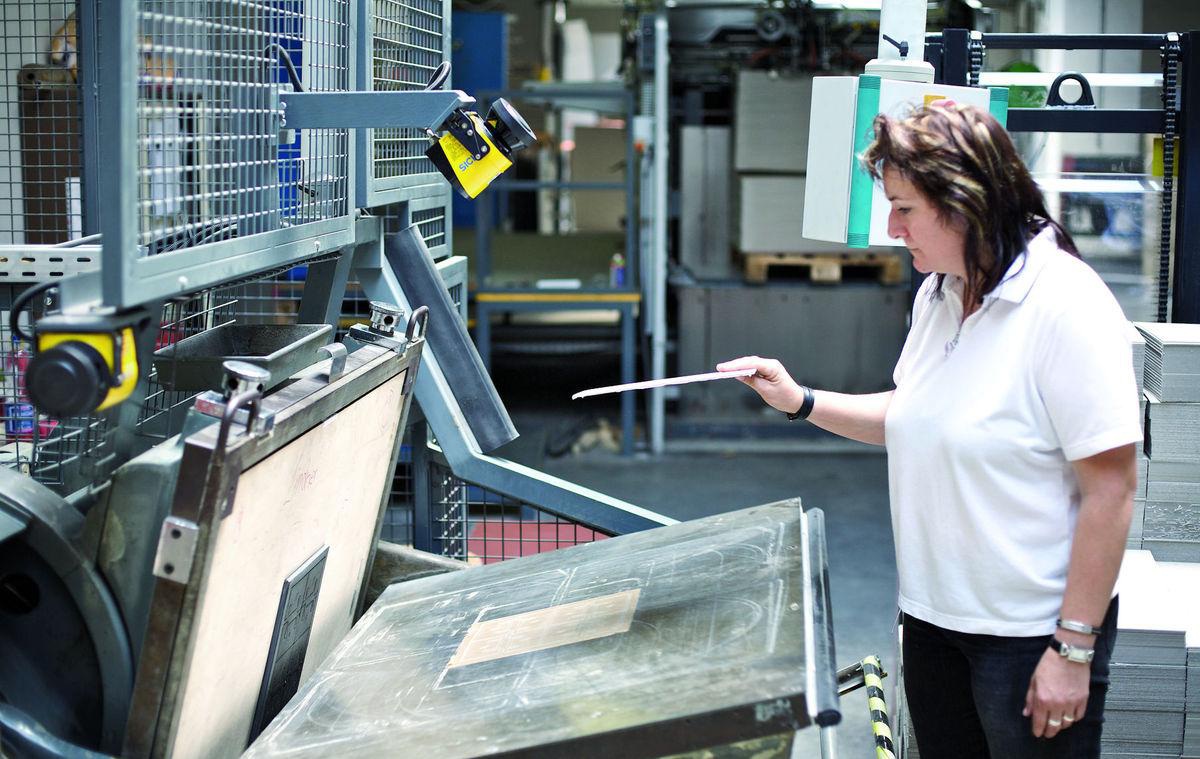
Production samples go to the in-house laboratory every single day — pin-holding strength, bending stiffness, delamination strength, form stability, hardness and grindability, all measured against the grade specification.
Ongoing investment is what keeps the board consistent: specialised staff and a modern computerised control system run the two board machines, and occupational safety is managed with external technical consultants. It is why a shipment behaves like the last one.

The numbers
behind the board.
| Machine format | 155 × 520 cm |
| Standard formats (0.9 – 1.2 mm) | 150 × 103 cm SG · 75 × 103 cm LG |
| Standard formats (from 1.5 mm) | 155 × 104 cm SG · 78 × 104 cm LG |
| Grain | SG — fibres parallel to the shorter side · LG — parallel to the longer side |
| Thickness range | 0.90 – 3.80 mm (CJM 188 to 4.00 · CJM 120 2.50 – 3.00) |
| Basis weight | 900 – 4000 g/m² (CJM 120: 2875 – 3450 g/m²) |
| Patternboard thickness | 1.2 – 1.8 mm |
| Raw material | 100% recovered waste paper, mainly Austrian |
| Production control | Computerised control system · two board machines |
| Quality testing | In-house laboratory, daily testing of production samples |
| Print option | “CJM ___ MERCKENS Austria” in black or red, or unprinted |
| Certifications | FSC® · Blue Angel · REACH · Climate Alliance · INEO |
| Custom specs | Available within each grade on request |
Specify the grade for your last.
Tell us the footwear type, and the shank length — we’ll send Merckens grade samples slit to your spec.